
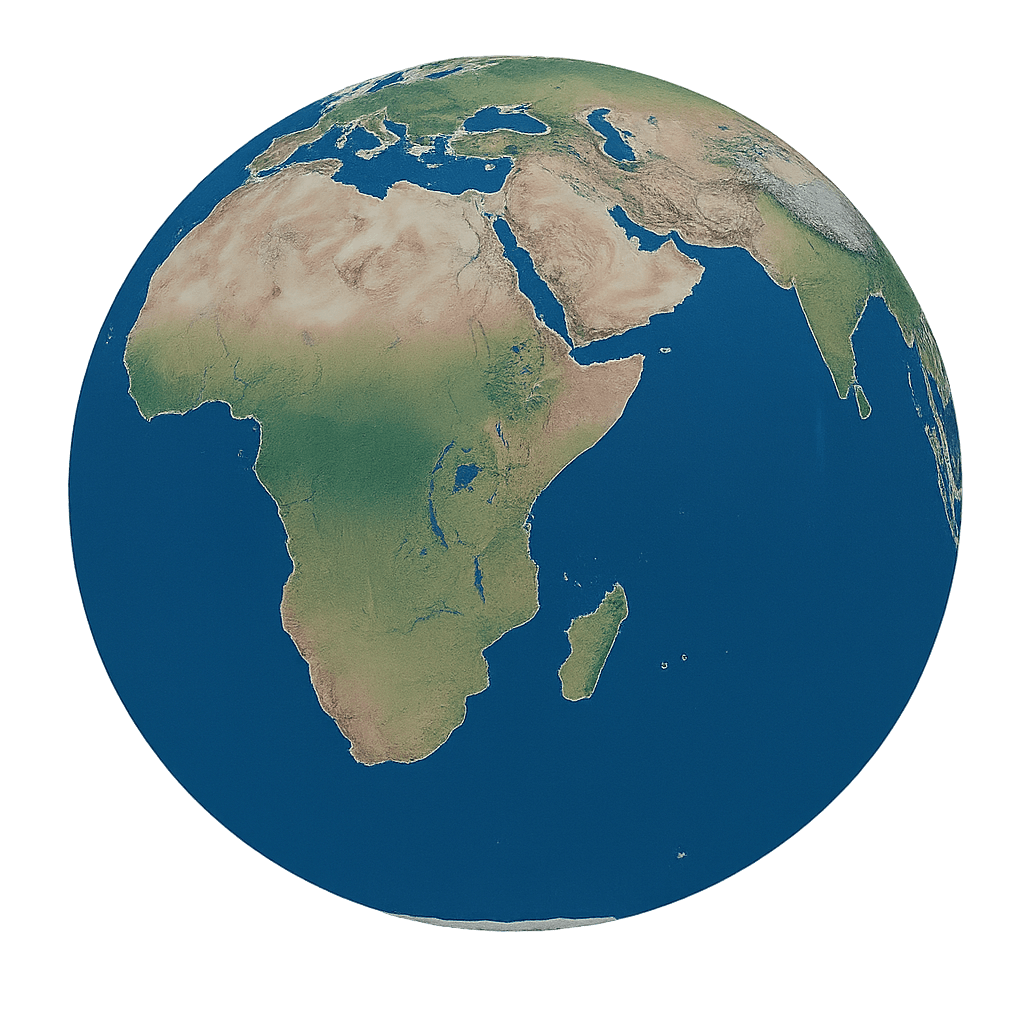
Ebola & Maternal Health: UN agencies report eastern DRC’s Ebola outbreak is hitting women and children hardest in Ituri, where nearly 1 million people are displaced and health service use has dropped by over 40%—with maternal deaths nearly doubling and fear keeping pregnant women away. Travel & Risk Controls: The US has tightened Ebola travel rules, routing some passengers returning from Uganda and South Sudan through designated US airports for screening, and restricting commercial boarding for those recently in DRC. Local Care Upgrade: Juba’s Al-Sabah Children’s Hospital newborn unit has been renovated and fitted with solar power to stabilize oxygen generation and improve care for up to 50 newborns. Drug Abuse Crackdown: Police in Aweil arrested 14 suspected tramadol dealers, warning the drug is only allowed with a doctor’s prescription. Water Access: China handed over 47 boreholes in Central Equatoria and Lakes to improve safe drinking water and reduce waterborne disease risk. Hunger Alarm: UN says nearly eight million people in South Sudan face critical hunger, with famine risk in four areas and cholera deaths reported above 1,700.
AGP Executive Report
Your go-to archive of top headlines, summarized for quick and easy reading.
Note: AI summary from news headlines; neutral sources weighted more to help reduce bias in the result. Feedback is welcome. Please let us know if you have any comments or suggestions about the AGP Executive Report.
Ebola in DRC: UN reports Ebola in eastern Ituri is hitting women and children hardest, with nearly 1 million displaced and about 80% of them women and children; UNICEF says child deaths are disproportionately high and fear is cutting use of health services by more than 40%, while maternal deaths have nearly doubled as pregnant women avoid care. US Ebola response: The US has tightened travel rules for people returning from Uganda, South Sudan, and the DRC, including mandatory screening routes and limits on commercial flights from DRC-linked travel. South Sudan health infrastructure: Juba’s Al-Sabah Children’s Hospital newborn unit has been renovated and fitted with solar power to stabilize electricity for newborn care and oxygen generation. Maternal care gap: In Warrap’s Twic County, residents of Apirin Village say lack of nearby clinics is driving preventable birth complications and rising maternal deaths, urging urgent health services. Local health safety: Western Equatoria approved SSP 117.56 million to rehabilitate the Bazungu–Sug Siru road, aiming to improve access to markets and health facilities, especially during the rainy season. Public health risk context: UN warns nearly eight million people in South Sudan face critical hunger, with famine risk in parts of the country and cholera deaths reported above 1,700. Community wellbeing: Central Equatoria Governor Adil urged peaceful coexistence in Lainya, highlighting unity as key for development and community stability.
Ebola in the region: UN agencies report Ebola in eastern DRC is hitting women and children hardest, with fear cutting health service use by over 40% and maternal deaths nearly doubling in Ituri. Travel & screening: The US has tightened Ebola travel rules, routing some passengers through designated airports for entry screening and restricting commercial flights for people recently in DRC. Funding push: The US pledged an extra $242 million for Ebola response and preparedness in DRC and Uganda, aiming to strengthen surveillance and health systems. Local health upgrade: Juba’s Al-Sabah Children’s Hospital newborn unit was renovated and fitted with solar power to keep oxygen generation running. Roads and access to care: Western Equatoria approved SSP 117.56 million to rehabilitate the Bazungu–Sug Siru road, expected to improve access to markets and healthcare. Maternal care gap: Women in Apirin, Warrap State, say lack of nearby facilities is driving preventable birth deaths. Public health & safety: Juba City Council ordered temporary road closures for an Olympic Day walk to protect participants. Water & disease prevention: China handed over a borehole and water-supply project to improve safe drinking water and sanitation in Central Equatoria and Lakes. Health workforce strain: Rumbek State Hospital staff were praised for continuing care despite months without salaries. Anti-drug enforcement: Police arrested suspected tramadol dealers in Aweil, warning against illegal sales of the prescription drug.
Ebola Crisis in DRC: The Democratic Republic of Congo’s Ebola outbreak has surged past 4,000 cases and 1,850 deaths, with WHO warning it’s spreading faster than response efforts can keep up, while health workers in affected areas report strikes over unpaid wages. Funding & Travel Safety: The U.S. pledged an additional $242 million for Ebola response and preparedness, and renewed Level 4 “Do Not Travel” advisories for DRC, Uganda, and South Sudan. South Sudan Hunger & Cholera Risk: UN warns nearly eight million people face critical hunger, with famine risk in parts of the country and cholera deaths reported above 1,700. Local Health Access: In Warrap’s Apirin community, residents say lack of nearby clinics is driving preventable maternal deaths, urging urgent outreach or a facility. Drug Control in Aweil: Police arrested 14 suspected tramadol dealers in Northern Bahr el Ghazal, stressing the drug is only allowed with a doctor’s prescription. Governance & Elections: UNMISS says South Sudan may not be ready for December elections, citing unresolved political trust, inclusivity concerns, and weak preparedness—factors that can affect health and humanitarian delivery.

Ebola Watch (DR Congo): WHO chief Tedros warns the fast-spreading Ebola outbreak is moving faster than response efforts, with new cases doubling in some hotspots and health workers striking over unpaid wages. Funding & Support: The U.S. announced an additional US$242 million for Ebola response and preparedness in the DRC and Uganda, bringing direct support to over US$512 million. Hunger Crisis (South Sudan): UN says nearly eight million people—more than half the population—face critical hunger, with famine risk in four areas and cholera deaths reported above 1,700. Water & Health (South Sudan): China hands over a completed borehole-drilling and water-supply project delivering 47 boreholes in Central Equatoria and Lakes to cut waterborne disease and improve sanitation. Maternal Health (Warrap): Women in Apirin Village report rising maternal deaths linked to lack of nearby facilities, urging urgent outreach or an emergency health centre. Local Health System (Lakes): Rumbek State Hospital staff are praised for continuing care despite months without salaries. Disaster Preparedness: IOM and South Sudan validate a national disaster risk management curriculum to strengthen preparedness and response.
Ebola Crisis in Congo: WHO chief Tedros warned the DRC outbreak is spreading faster than the response, with confirmed cases rising to about 3,874 and deaths to 1,751; in Ituri, health workers’ strikes over pay are disrupting care, while Africa CDC says contact tracing is not working as community spread drives new infections. Funding Push: The US announced an extra $242 million for Ebola response and preparedness in the DRC, Uganda and other affected areas, adding to earlier commitments. South Sudan Risk Management: Despite the regional surge, IOM screening at South Sudan border posts and Ebola awareness messaging continue, with no confirmed cases reported among border crossers so far; Canada has also listed South Sudan among countries under temporary entry restrictions tied to the outbreak. Local Health & Safety: In Juba, police arrested 50 suspects after a nightclub gang fight, including a breastfeeding mother, and linked youth violence to substance abuse—prompting coordination with the Ministry of Health. Public Health at Home: Juba City Council warned of arrests for illegal garbage dumping, saying sanitation is a shared responsibility. Drug Control: Northern Bahr el Ghazal police intensified anti-drug operations targeting tramadol and shisha dealers in Aweil markets.
Ebola Alert (DRC): WHO chief Tedros says the fast-spreading Ebola outbreak in eastern Democratic Republic of Congo is outpacing the response, with confirmed cases rising to about 3,874 and deaths to about 1,751, as health workers in Ituri strike over delayed pay and demand better wages. Funding Push (Ebola): The U.S. announced an extra $242 million for Ebola response and preparedness in DRC, Uganda and other affected areas, adding to earlier support and health-screening and risk-communication work. South Sudan Border Health (Ebola Preparedness): IOM teams at South Sudan border posts report screening hundreds of thousands of travellers and running Ebola awareness, with no confirmed cases among border crossers so far, while warning that informal routes remain harder to monitor. Local Health & Safety (Juba Sanitation): Juba City Council warns residents against illegal garbage dumping, saying arrests and enforcement will follow to protect public health. Youth & Substance Abuse (Juba): Police in Juba arrested 50 suspects after a nightclub gang clash in Atlabara, including a breastfeeding mother, and say they are coordinating with the Ministry of Health to tackle substance abuse and alcoholism. Health Priority (Opinion): A call for government to increase health funding highlights medicine, equipment and staffing shortages that leave rural communities facing preventable illness and deaths. Drug Control (Aweil): Police seized tramadol and arrested 11 in an Aweil drug raid, underscoring ongoing concerns about misuse. Governance & Health Services (Upper Nile): President Salva Kiir’s overhaul of Upper Nile State leadership includes new appointments in health and other social sectors, as the state reshuffles key portfolios.
Ebola Watch (DRC): WHO chief Tedros Adhanom Ghebreyesus arrived in Congo as the Ebola outbreak surges at an “alarming” pace, with Congo’s Ministry of Health reporting 3,874 confirmed cases and 1,751 deaths, while frontline workers in Ituri reportedly strike over pay—worsening access to care. Ebola Response (Vaccines & Rules): Canada extended travel entry restrictions for travellers from the DRC, South Sudan and Uganda until late August, and Health Canada authorized Moderna to start a Phase I trial of an mRNA Ebola vaccine targeting the Bundibugyo strain driving the outbreak. Local Governance (Upper Nile): President Salva Kiir issued sweeping decrees reshuffling Upper Nile State leadership, including new appointments in health and other key ministries—potentially affecting service delivery. Public Health & Safety (Drugs): Northern Bahr el Ghazal police in Aweil arrested 11 people and seized 14 cartons of tramadol in a crackdown, urging parents to warn children against misuse. Food Safety (Regional): FAO trained 15 lab specialists from Kenya, Rwanda, South Sudan, Tanzania and Uganda to detect pesticide residues and aflatoxin, aiming to strengthen food testing and protect consumers as trade standards tighten. Aid Access (Sobat Corridor): Upper Nile State leaders in Juba pledged to secure the Sobat Corridor to keep routes open for food and health supplies to displaced communities in Baliet, Ulang and Nasir.
Ebola Watch: South Sudan’s Ministry of Health says the country remains Ebola-free, while continuing Ebola surveillance and preparedness updates as outbreaks intensify in the DRC and Uganda. Vaccine Progress: Health Canada has authorized Moderna to begin a Phase I clinical trial for an mRNA Ebola vaccine targeting the Bundibugyo strain driving the DRC outbreak—no licensed vaccine exists for this strain. DRC Outbreak Escalation: WHO reports the Bundibugyo Ebola outbreak in the DRC is now the largest ever recorded in the country, with thousands of cases and deaths and transmission still outpacing response. Local Health Systems: UNDP and the Government of South Sudan inaugurated an Aweil State Reference Laboratory with solar power and a specialised medical incinerator to strengthen disease surveillance, emergency preparedness, and safe healthcare waste handling. TB/HIV Care: MSF handed over a new TB/HIV outpatient department to Leer County Hospital, boosting access to quality services. Women’s Health: GIZ’s ResPEct programme distributed 1,822 dignity kits to support menstrual health management and help girls stay in school. Drug Control: Police in Aweil arrested 11 people and seized 14 cartons of tramadol in a crackdown on trafficking and misuse. Aid Access & Nutrition: Upper Nile State leaders pledged to secure humanitarian supply routes along the Sobat Corridor so food and health supplies can reach displaced communities.
Ebola Alert (DRC): The WHO says the Bundibugyo Ebola outbreak in the Democratic Republic of Congo is intensifying at an “exceptional” pace, now the largest ever recorded in the country, with 3,605 confirmed cases and 1,587 deaths (44% fatality) as of July 30, and the worst week yet (567 cases, 296 deaths). Ebola Response (Travel/Prevention): Health screening and return rules are tightening for people who have been in DRC, Uganda, or South Sudan in the past 21 days, while India reports 10,974 travellers screened since May 23 with no cases detected. Local Health Systems (South Sudan): UNDP and the Government of South Sudan inaugurated an Aweil State Reference Laboratory with solar power and a specialised medical incinerator (US$1.6m+), aiming to boost lab services, surveillance, preparedness, and safer waste disposal. TB/HIV Care (Unity): MSF-Holland handed over a new TB/HIV outpatient department to Leer County Hospital, strengthening access to quality services. Menstrual Health (Central Equatoria): GIZ’s ResPEct programme distributed 1,822 dignity kits to partners to support menstrual health management and help girls stay in school. Rabies Risk (Northern Bahr el Ghazal): A five-year-old returnee child died after a suspected rabid stray dog bite in Aweil North, highlighting gaps in rapid access to care. Veterans’ Healthcare (Juba): Wounded veterans say 300 colleagues died over the past year due to inability to access medical treatment, calling for urgent government medical benefits.
Public Health Infrastructure: South Sudan’s Government and UNDP inaugurated a new Aweil State Reference Laboratory with a solar power system and a specialised medical incinerator, funded through the Global Fund COVID-19 Response Mechanism (C19RM), to boost lab services, disease surveillance, emergency preparedness, and safer healthcare waste management. Menstrual Health & Dignity: GIZ’s ResPEct programme distributed 1,822 dignity kits across Central Equatoria to support menstrual health management, with partners handing kits to the Juba One Stop Centre and community groups for wider reach. TB/HIV Care in Unity: MSF-Holland handed over a new TB/HIV outpatient department to Leer County Hospital, strengthening access to quality services through continued collaboration with health authorities. Local Health Service Continuity: In Lakes State’s Matangai Payam, a community-approved cost-sharing initiative (SSP 1,000) is helping a primary health care centre cover day-to-day operations when funding delays hit. Ebola Watch (Regional Risk): WHO says the DRC’s Bundibugyo Ebola outbreak is intensifying at an “exceptional” pace, with 3,605 confirmed cases and 1,587 deaths as of July 30, and response hampered by insecurity and cross-border movement. Rabies Alert: A five-year-old returnee child died in Aweil North after a suspected rabid stray dog bite, highlighting urgent needs for rapid post-bite care and awareness. Veterans’ Health Access: Wounded veterans in Juba say about 300 colleagues died over the past year due to lack of medical treatment and are calling for improved healthcare benefits.
TB/HIV Care in Unity: Médecins Sans Frontières (MSF)-Holland has handed over a newly built TB/HIV outpatient department to Leer County Hospital in Leer, Unity State, with local health leaders urging continued collaboration to keep services running. Ebola Alarm for the Region: WHO says the DR Congo Ebola outbreak is intensifying at an “exceptional” pace and is now the largest recorded in the country, with cases and deaths surpassing past peaks; the outbreak is driven by the Bundibugyo strain, for which there is no approved vaccine or treatment. Cross-Border Screening Moves: India reports screening 10,974 international travellers arriving from Ebola-affected countries since May 23 with no cases detected, while Saudi Arabia has suspended entry for travellers from DR Congo, Uganda and South Sudan as a precaution. Rabies Tragedy in Aweil North: A five-year-old returnee child in Aweil North died after a suspected rabid stray dog bite, highlighting gaps in rapid access to medical care. Veterans’ Health Crisis: Wounded veterans in Juba say 300 colleagues died over the past year due to lack of proper treatment and call for urgent medical benefits. Community Health Funding: In Lakes State’s Matangai, patients contribute SSP 1,000 through a community-approved cost-sharing plan to keep a primary health care centre operating when support is delayed. Regional Health Procurement Plan: Kenya and 11 countries are developing a framework to jointly procure emergency medical supplies during outbreaks, aiming to cut costs and speed access. Health Access for Displaced People: Ocean Viking rescued 14 migrants off Libya, including people from South Sudan, and says they are receiving medical care aboard the vessel.
Ebola Watch (DR Congo): The World Health Organization says the Bundibugyo Ebola outbreak in eastern Democratic Republic of the Congo is intensifying at an “exceptional” pace, now the largest in the country’s history, with 3,605 confirmed cases and 1,587 deaths reported as of July 30; WHO warns insecurity, displacement, and cross-border movement are slowing response and raising the risk of further spread. Ebola Response Strain: Africa CDC flags operational constraints in the DRC and says Uganda is containing the outbreak better, while urging stronger early detection and faster response to stop new zones being hit. South Sudan Health Access (Lakes State): In Matangai Payam, Lakes State, a community-approved cost-sharing scheme of SSP 1,000 per patient is helping keep Matangai Primary Health Care Centre running when government support is delayed. Rabies Risk (Aweil North): A five-year-old returnee child in Aweil North died after a suspected rabid stray dog bite, highlighting gaps in urgent medical access for returnee communities. Veterans’ Care Gap (Juba): Wounded veterans in Juba say 300 colleagues died over the past year due to lack of medical treatment and are calling for urgent government medical benefits. Public Health Screening (Regional): India reports screening 10,974 international passengers arriving from Ebola-affected countries, including South Sudan, with no Ebola case detected so far. Health & Safety at Borders (Migration): Ocean Viking rescued 14 migrants off Libya, including people from South Sudan, and says they received medical care after exhaustion and lack of life jackets.
Ebola Watch (DR Congo): The WHO says the Bundibugyo Ebola outbreak in eastern Democratic Republic of Congo is intensifying at an “exceptional” pace, now the largest ever recorded in the country, with 3,605 confirmed cases and 1,587 deaths (about 44% fatality) as of July 30, and the past week hitting 567 cases and 296 deaths—while insecurity, displacement, and cross-border movement are hampering response. Cross-border Health Risk (South Sudan link): The outbreak’s epicentre in Ituri borders South Sudan and Uganda, and WHO/partners warn spread risk remains high as cases rise across multiple provinces. Response Capacity (Africa CDC): Africa CDC flags operational constraints in the DRC but praises Uganda’s containment progress, calling for stronger early detection and faster response to stop new zones. Local Health Resilience (South Sudan): In Lakes State’s Matangai Payam, a community-approved cost-sharing plan (patients contributing SSP 1,000) is helping keep Matangai Primary Health Care Centre running when government or partner support is delayed. Preparedness Screening (Regional): India reports screening 10,974 international passengers arriving from Ebola-affected countries (including South Sudan) since May 23, with no Ebola cases detected so far. Health & Safety (Migration): Ocean Viking rescued 14 migrants off Libya, including people from South Sudan, and provided medical care aboard the vessel.
Ebola Crisis in DRC: The World Health Organization says the Ebola outbreak in eastern Democratic Republic of Congo is intensifying at an “exceptional” pace, now the country’s largest on record, with reports putting confirmed cases above 3,500 and deaths above 1,500; WHO and Africa CDC warn insecurity, displacement, and cross-border movement are slowing response and raising the risk of further spread, especially near South Sudan and Uganda. Regional Health Preparedness: Africa CDC flags operational constraints in the DRC while praising Uganda’s containment progress, and calls for faster detection and stronger response capacity. South Sudan Health Access: In Lakes State, Matangai Primary Health Care Centre is staying open through a community-approved cost-sharing plan where patients contribute SSP 1,000 to cover day-to-day operations when funding delays hit. Cross-Border Medical Supply Planning: Kenya and 10 other African countries are working on a regional framework to jointly procure emergency medical supplies during outbreaks, including medicines and lab equipment, to reduce delays and reliance on overseas suppliers. Community Support for Care: MTN Uganda’s Y’ello Storm campaign reached Gulu with hospital support, including mattresses, protective covers, and mosquito nets for maternity and casualty wards. Health Screening Abroad: India reports screening 10,974 international passengers arriving from Ebola-affected countries, including South Sudan, with no Ebola cases detected so far.
Ebola Watch (DRC): The Democratic Republic of Congo’s Ebola outbreak has surged past 3,500 cases, reaching 3,532 infections and 1,556 deaths across five provinces, with health officials warning the response is being stretched by conflict and gaps in contact tracing. Ebola Preparedness (South Sudan): India reports no Ebola cases so far, but says it screened 10,974 passengers arriving from Ebola-affected countries including South Sudan, with entry screening strengthened at points of entry. Cholera Update (Unity State): Unity State health authorities say cholera cases have topped 4,700 across seven counties, with Rubkona and Mayom most affected and 45 deaths reported since the start of 2026. SRHR & Women’s Health (Osun, Nigeria): Vision Spring convened stakeholders in Osun to push stronger sexual and reproductive health services and reforms, with attention to vulnerable groups. Gender-Based Violence (Juba County): A women’s rights group urged Gondokoro leaders to act decisively against rape, domestic violence, and child marriage, warning that silence fuels abuse. Public Health Supply (Regional): Kenya and partners are developing a framework to jointly procure emergency medical supplies during outbreaks, including medicines and lab equipment. Humanitarian Access (Jonglei): Save the Children appealed for recovery of seized vehicles and assets in Jonglei, saying delays are disrupting aid to vulnerable children.
Ebola Update (DRC): The Democratic Republic of Congo’s Ebola outbreak has surged past 3,500 cases, reaching 3,532 infections and 1,556 deaths, making it the second-largest on record as response teams struggle with contact-tracing gaps and strained treatment capacity. Cross-Border Health Watch: India says it has screened 10,974 passengers arriving from Ebola-affected countries since May 23, with no cases reported so far, while Africa CDC warns operational constraints are hampering containment and urges stronger early detection. South Sudan Preparedness: South Sudan is still described as Ebola-free by its health ministry, but the wider regional spread keeps surveillance and readiness in focus. Cholera (Unity State): Unity State reports more than 4,700 cholera cases across seven counties, with Rubkona the hardest hit and 45 deaths recorded since the start of 2026. Local Health Workforce: Thirty South Sudanese medical professionals completed a three-month Chinese language course to improve communication with Chinese partners and support patient care at Juba Teaching Hospital. Health Access & Safety: Save the Children appealed for recovery of seized humanitarian vehicles in Jonglei, warning delays are limiting access to children and families. Gender-Based Violence Prevention: A Gondokoro training urged chiefs, teachers, and local leaders to act firmly against rape, domestic violence, and child marriage. Regional Health Cooperation: Kenya and partners are developing a framework to jointly procure emergency medical supplies during outbreaks, including South Sudan.
Ebola Watch: South Sudan’s Ebola preparedness has jumped to 65% in July, up from 29% in May, as WHO reports stronger surveillance, lab capacity, infection prevention and emergency response—though the country remains Ebola-free so far. Cholera Update: Unity State health authorities report over 4,700 cholera cases across seven counties, with Rubkona the hardest hit (4,790 cases) and 45 deaths since the start of 2026. Public Health Capacity: In Juba, 31 South Sudanese medical professionals completed a three-month Chinese language course to better communicate with Chinese counterparts and improve patient care. Health Access & Infrastructure: A civil society group is urging urgent rehabilitation of the Wau–Baziya–Raja road, saying rainy-season damage is delaying travel to hospitals and worsening outcomes for emergencies, including pregnant women. Humanitarian Response: Save the Children says seized vehicles in Jonglei are disrupting aid delivery to vulnerable children and is appealing for their recovery. Safety & Violence: In Torit (Eastern Equatoria), a woman was shot dead and a 12-year-old boy injured; the suspected gunman was arrested and is in police custody. Ebola Crisis Beyond Borders: DRC Ebola continues to surge, with deaths reported above 1,400 and cases over 3,200, as insecurity and mistrust strain response efforts.
Ebola Preparedness Boost: WHO says South Sudan’s Ebola readiness capacity has risen to 65% in July (from 29% in May), with 13 suspected samples tested negative and vigilance stepped up due to cross-border movement. Cholera Update (Unity State): Unity State reports over 4,700 cholera cases across seven counties, with Rubkona the hardest hit (4,790 cases) and 45 cholera-related deaths since the start of 2026. Health Workforce Training: Thirty South Sudanese medics complete a three-month Chinese language course to improve communication with Chinese counterparts and better read medicine labels at Juba Teaching Hospital. IDP Health Call (Central Equatoria): The health ministry urges partners to support Kajo-keji IDPs with disease and pandemic checks, warning of outbreak risks from overcrowding and disrupted care. Humanitarian Access Pressure (Jonglei): Save the Children appeals for recovery of seized vehicles and assets in Jonglei, saying delays are blocking life-saving support to vulnerable children. Roads & Care Access (Western Bahr el Ghazal): Civil society calls for urgent rehabilitation of the Wau–Baziya–Raja road, saying bad rainy-season conditions are delaying travel to healthcare. Safety & Violence (Eastern Equatoria): A woman was shot dead and a 12-year-old boy injured in Hiyala, with the suspected gunman arrested and the child taken to Torit State Hospital. Gender-Based Violence Prevention (Juba County): Community leaders in Gondokoro are urged to act firmly against rape, domestic violence, and child marriage through local prevention and education efforts.
Ebola Preparedness Boost: South Sudan’s Ministry of Health says the country remains Ebola-free, with 13 suspected samples testing negative, while WHO reports readiness capacity rising to 65% (from 29% in May) as surveillance, labs, and infection prevention are strengthened to block possible importation. IDP Health Risks: Central Equatoria’s health ministry urges partners to support Kajo-keji IDPs to prevent outbreaks, warning of high risks from overcrowding, acute malnutrition, lack of clean water, disrupted care, and mental health needs after recent clashes. Medical Workforce Training: Thirty South Sudanese medics completed a three-month Chinese language course in Juba to improve communication with Chinese counterparts and better read medicine labels, with plans for top trainees to attend a seminar in China. Cholera Reminder: A new report highlights how cholera still kills where safe water fails, pointing to conflict-affected settings like Sudan where damaged health and water systems drive rapid spread. Nutrition & Climate Pressure: Coverage warns El Niño could bring drier rains to parts of Eastern and Western Africa, threatening crops and food security—an added strain for vulnerable communities. Public Health Access via Roads: Civil society calls for urgent rehabilitation of the Wau–Baziya–Raja road, saying rainy-season damage delays travel to healthcare, especially for emergencies like childbirth. Global Ebola Surge Context: DRC’s Ebola toll keeps rising, with reports of 3,200 cases and 1,405 deaths, underscoring the regional pressure on neighbors’ preparedness.
Sign up for:
Health & Wellness Times South Sudan
The daily local news briefing you can trust. Every day. Subscribe now.
Check Your Email!
We sent a one-time activation link to: .
Confirm it's you by clicking the email link.
If the email is not in your inbox, check spam or try again.
Welcome back!
is already signed up. Check your inbox for updates.